BlownIn Insulation Knauf Insulation
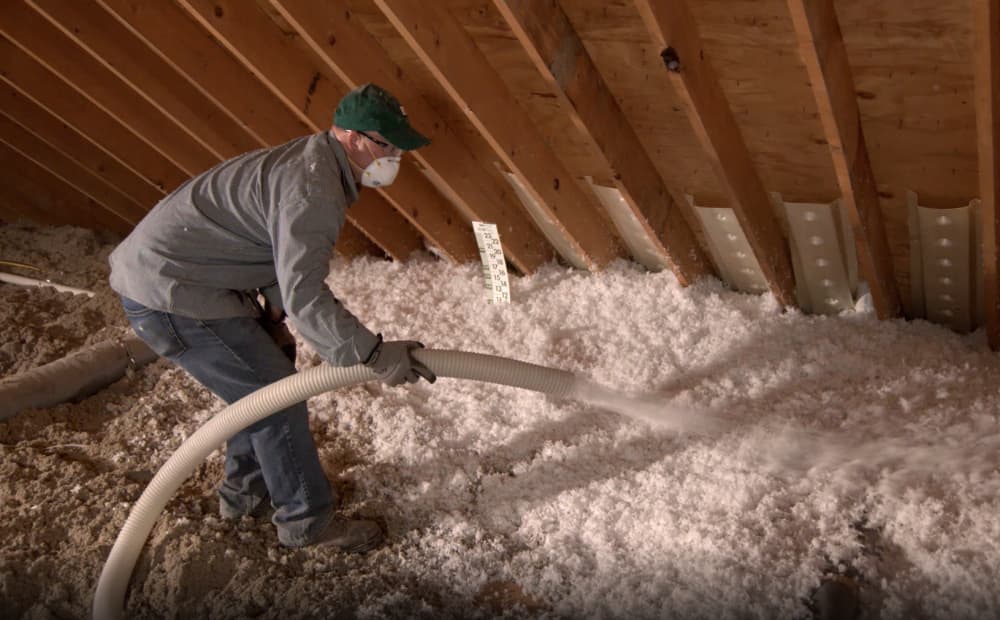
Blown-in attic insulation refers to cellulose, fiberglass, and other thick, dense, and lumpy insulation. It has a consistency similar to that of down feathers and can fit in tight areas such as walls or between wires or ducts. Blown-in insulation used in homes is made from various materials, such as recycled newspaper, cardboard, glass, and.

Attic Insulation Out with the Old, and In with the New (attic insulation) Herndon, VA More
The pros charge $1,500 to $2,000 to do a 1,200-sq.-ft. house. You can do it yourself for about $500. Blowing attic insulation isn't hard, but it's dusty, sweaty work. To make insulating an attic easier, grab a helper and set aside two days: one for attic prep and the second to actually blow the insulation.
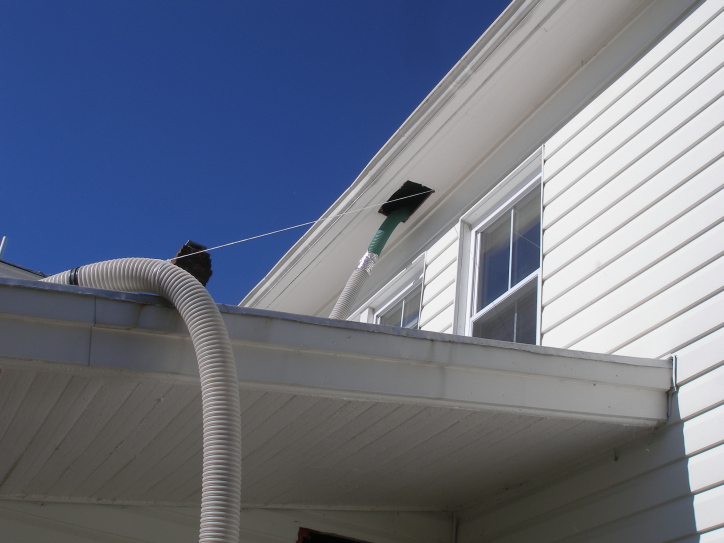
Thy Hand Hath Provided Heating Our House Blowing Insulation in Our Attic
There are two main types of insulation: batt and roll insulation and loose fill (sometimes known as blown-in insulation): Batt and roll insulation works well between joist and stud spaces or if you have a wide-open space or a crawlspace. See Install Batt and Roll Insulation for details.; Loose fill (blown-in insulation) is best for tight spaces or if your attic already has a layer of.

BlownIn Attic Insulation
A how-to on installing CertainTeed's InsulSafe® SP and TrueComfort® Blown-in fiber glass insulation into attic applications, including application techniques.

DIY BlownIn Insulation in the Attic Blown in insulation, Attic insulation, Home insulation
3. The weight of blown-in cellulose can cause ceiling sag. 4. Damp blown-in insulation can promote fungal growth. 5. The material becomes very problematic when wet. Spray Foam Attic Insulation. As you compare spray foam attic insulation pros and cons, keep in mind that the material is available as an open-cell or closed-cell polyurethane spray.

Energy Resources » Heartland Utilities For Energy Efficiency
2. Blown-in wall insulation has a few disadvantages in terms of coverage and aesthetics. To install blown-in insulation in existing walls, holes are drilled at the top of each stud space (usually.
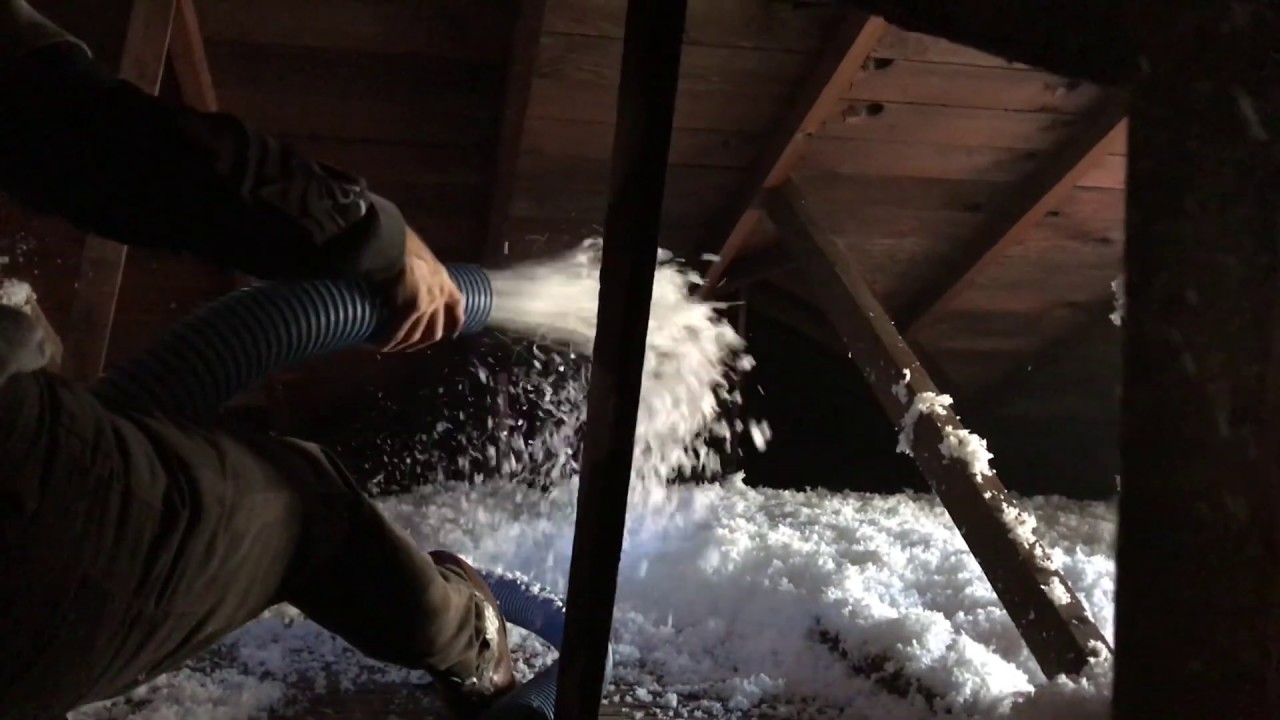
Blowing in attic insulation YouTube
More details:Difficulty Level: Advanced. If you are not 100% confident with installing insulation, Lowe's recommends that you hire a professional. Call 1-877.
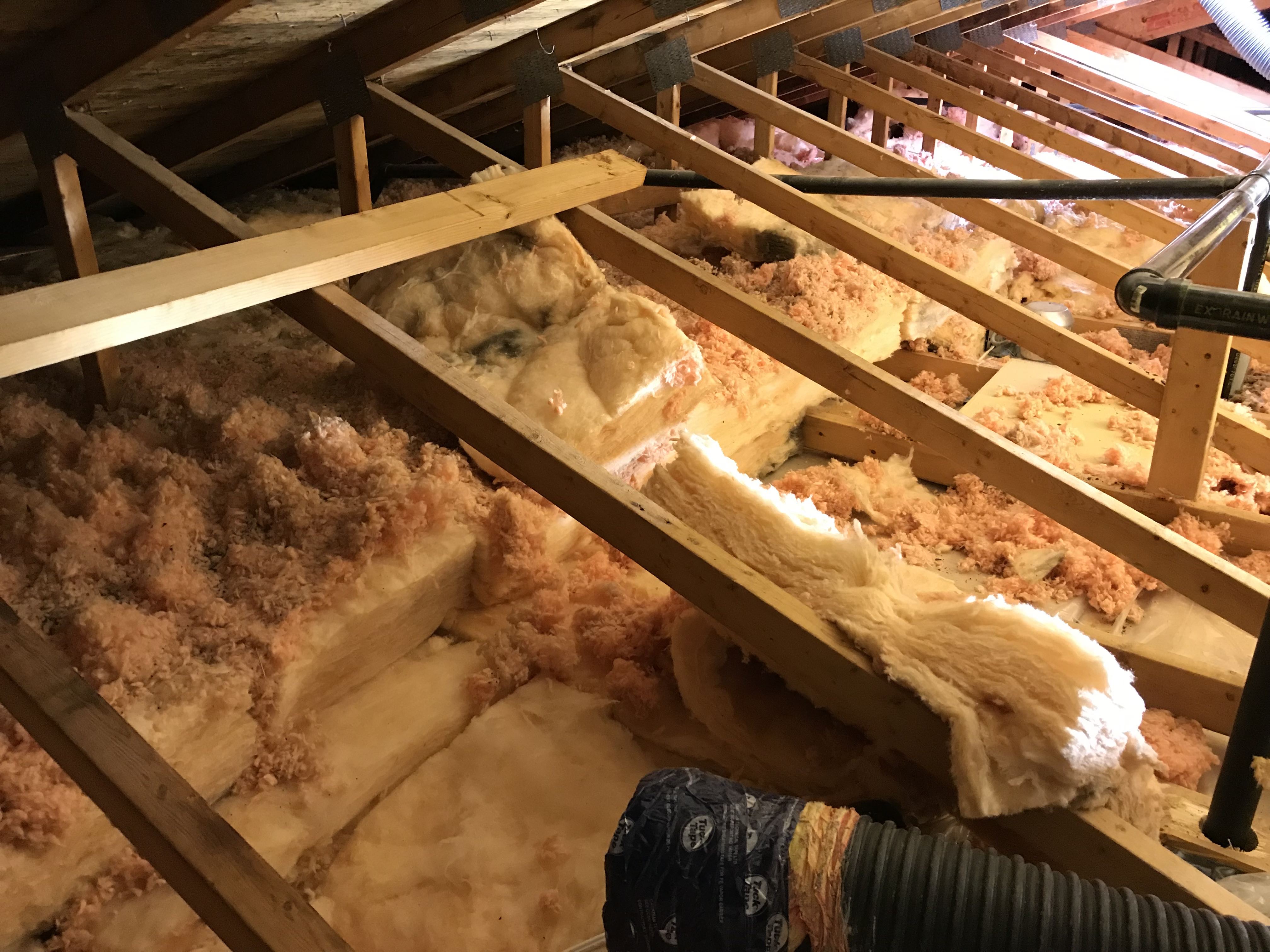
Insulation Removal Toronto Mississauga Oakville Four Seasons
Spray foam offers the best attic insulation performance available. Choose from two types: closed-cell and open-cell, aka 2-pound and ½-pound, respectively. They sport insulation values of approximately R-6.5 and R-3.6 per inch, respectively. When installed properly, both types of insulation fill all of the nooks and crannies in a space and.

The Right Way to Insulate Attics with Blownin Insulation YouTube
In a cooling climate, a good blanket of attic insulation helps keep the house cooler and reduces the load on air-conditioning equipment. Most attics are insulated with blown-in loose cellulose (R-3.5 per inch), blown-in loose fiberglass (R-2.5 per inch) or fiberglass batts (R-3.2 per inch).
/Blowing-In-Attic-Insulation-183768691-56a4a06a3df78cf7728350eb.jpg)
BlowIn Insulation The Basics
The cellulose is blown into the attic or walls through long, flexible tubes that run from the blower to an application nozzle. The cellulose is allowed to fill the cavities or blanket existing insulation. No pressure is placed on the cellulose; it is allowed to settle over time. Walls are patched up and painted over.

How to Insulate Your Attic Pacific Insulation Supply
Benefits of Installing Blown-in Attic Insulation. Installing blown-in attic insulation has several benefits that homeowners can enjoy. This type of insulation is a cost-effective solution for improving energy efficiency and reducing utility bills. Blown-in insulation is also easy to install, making it a popular choice for many DIY homeowners.
/Insulation-Blower-183827373-58a4b3ab5f9b58819cfa443e.jpg)
BlownIn Insulation Machine Rental Basics
Also known as loose-fill insulation, blown-in insulation is typically cellulose, fiberglass, or mineral wool. Blown-in fiberglass insulation is made from tiny glass fibers. It's naturally fire-resistant. To achieve R19 in an attic, it must be 6.75″ thick, which requires about 8 bags per 1,000 square feet.
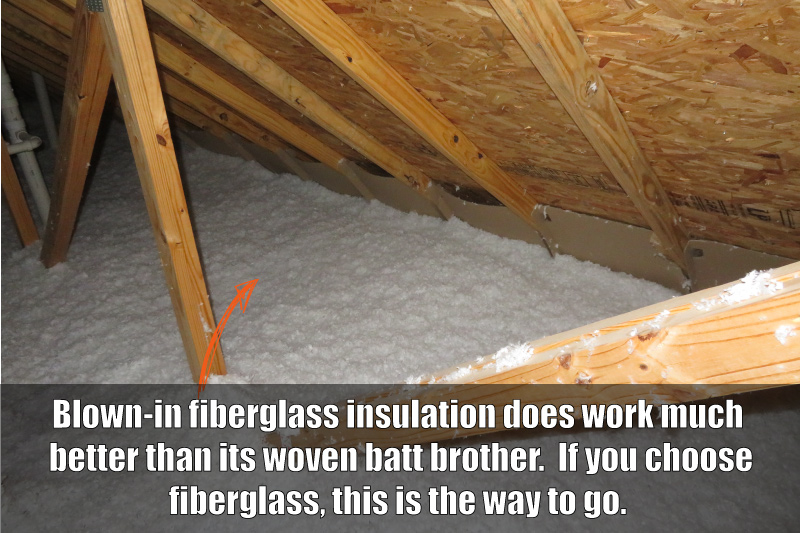
DIY Guide To BlownIn Attic Insulation ABI Home Inspection Services
When blowing insulation in the attic, position yourself centrally so you can make sure to achieve an even spread throughout the space. Start at the farthest point from the attic entrance so you.
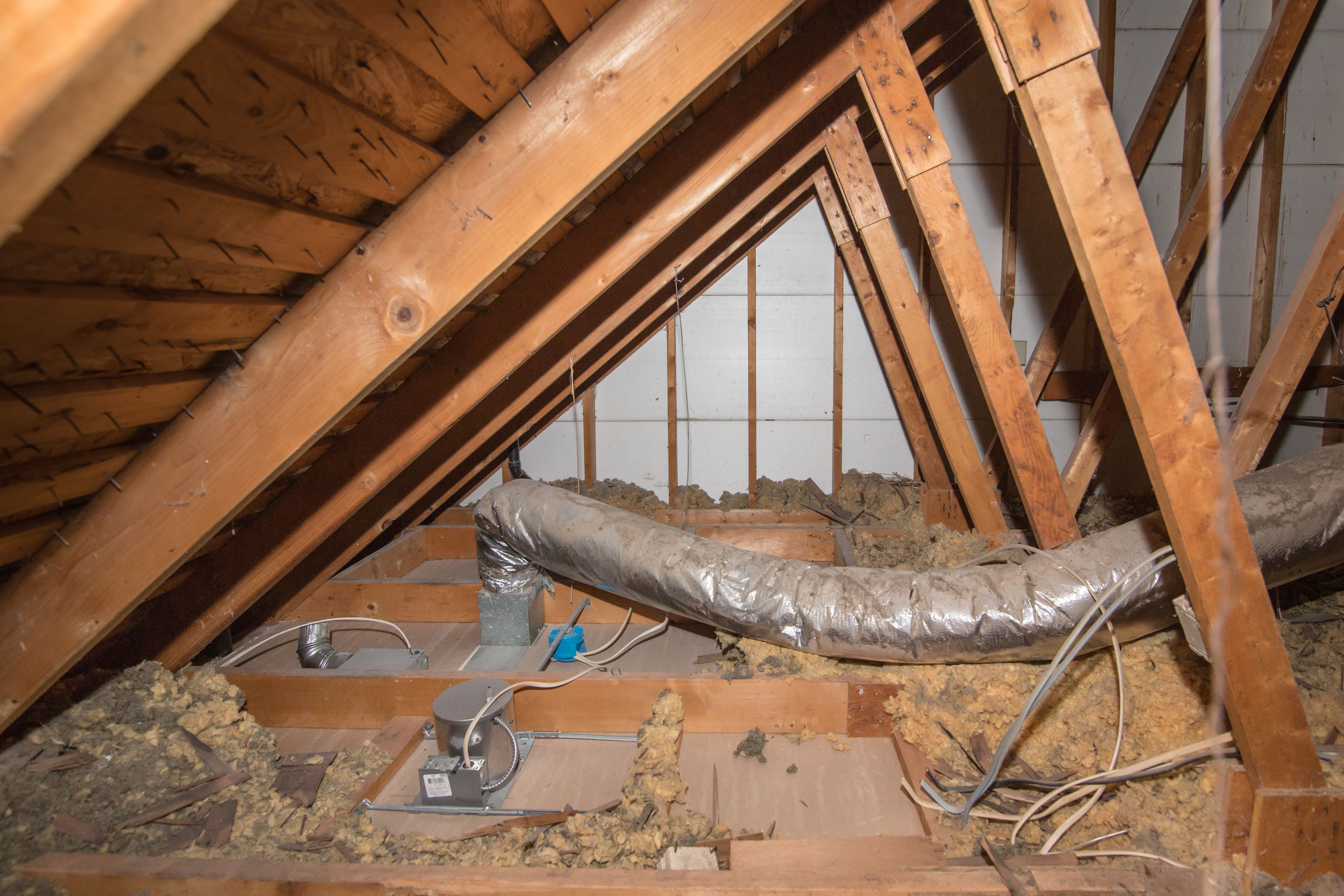
Reinsulating Your Attic New or Replacement Insulation
BEST BLANKET: Owens Corning R-30 EcoTouch Fiberglass Insulation. BEST BLOWN-IN: Greenfiber 25 lbs. Cellulose Blown-In Insulation. BEST RADIANT FOIL: US Energy Products Double Bubble Foil.

BlowIn Attic Insulation Provides Comfort for All! Polk County Insulation
When adding additional insulation, you do not have to use the same type of insulation that currently exists in your attic. You can add loose fill on top of fiberglass batts or blankets, and vice-versa. If you use fiberglass over loose fill, make sure the fiberglass batt has no paper or foil backing; it needs to be "unfaced."
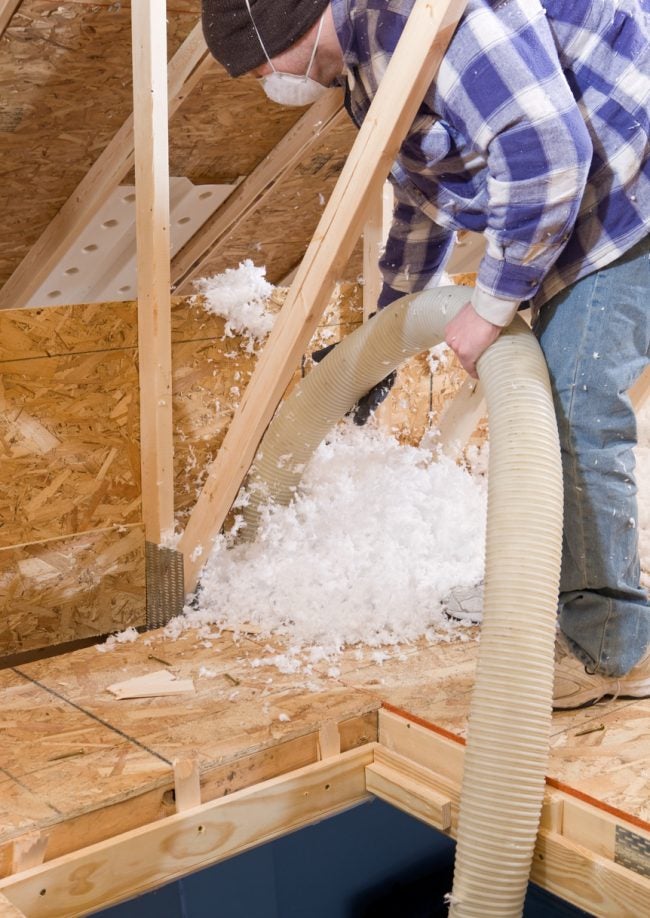
Blownin Insulation 5 Things to Know Before Installing Bob Vila
Materials. The term blow-in insulation (or loose-fill insulation) refers to the process of filling stud or joist cavities or covering attic floors, with any loose material that has a good insulating R-value. While there are a variety of materials that can be used, including styrofoam pellets or loose fiberglass fibers, the most common material.