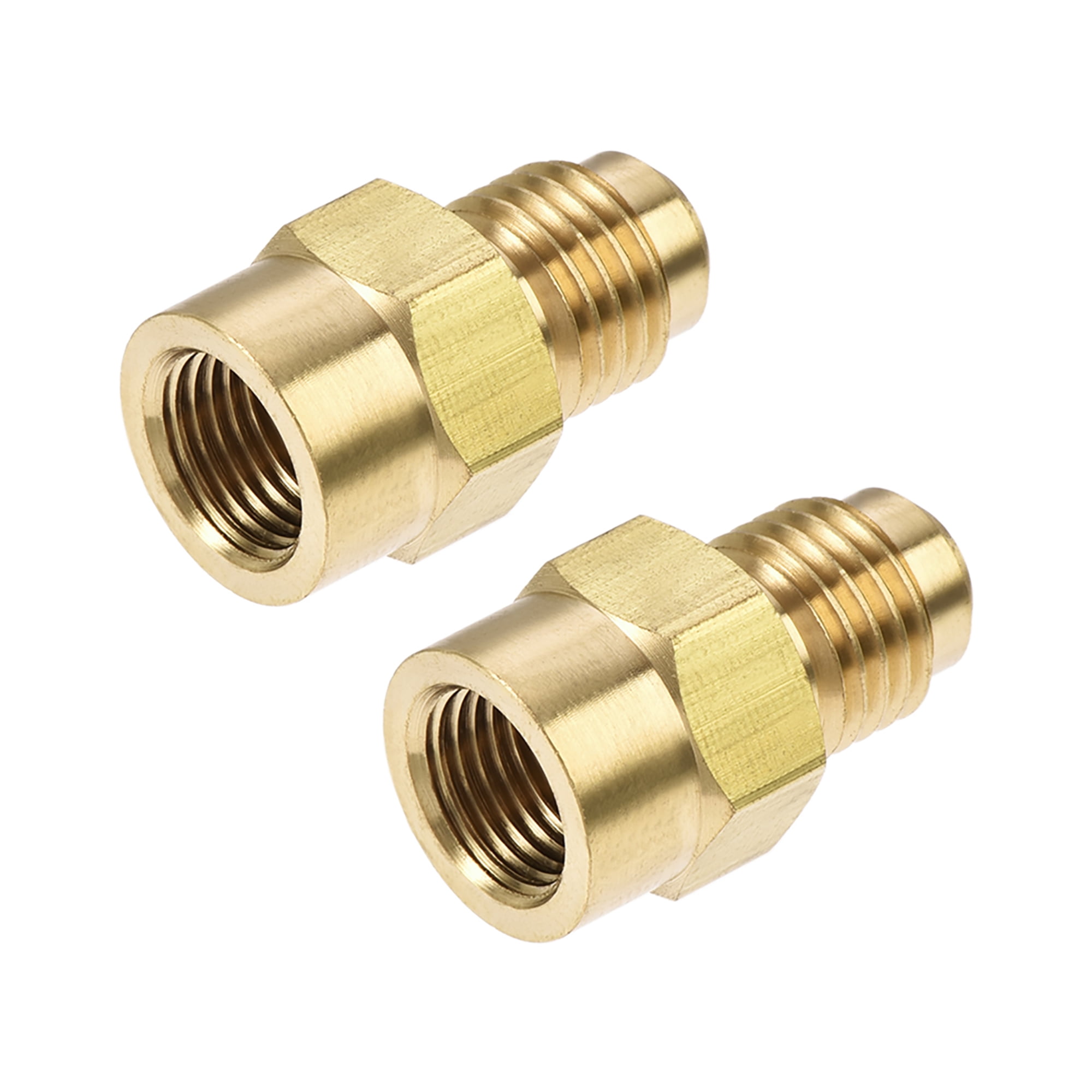
Combustible Materials Stock Illustrations 94 Combustible Materials
Management of construction and demolition wastes is addressed at project, organization, and disposition levels. Project Level—Enhancing project value and performance. The project level encompasses the work of a specific project or projects, and is administered by the project team, often led by the architect or engineer during the design phase.

Aviones Tanques de combustible Nicolás Larenas
14 November 2019. Building Regulations prohibit the use of combustible materials in external walls on "relevant buildings" over 18 metres above ground level. These regulations have been in force since December 2018. However, many architects are reporting that contractors and clients are often uncertain about the nature of the requirements.
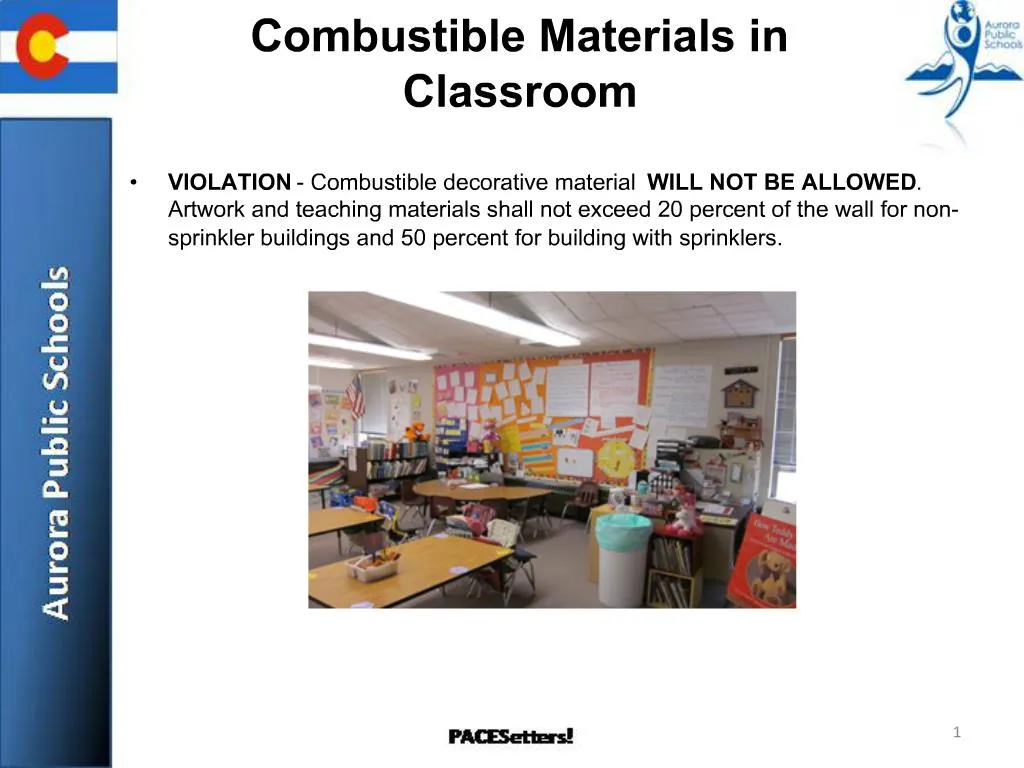
PPT Combustible Materials in Classroom PowerPoint Presentation, free
49 CFR § 173.120 - Class 3—Definitions: This regulation provides definitions for flammable and combustible liquids, as well as conditions under which a flammable liquid can be reclassed as a combustible liquid. 49 CFR § 173.150 - Exceptions for Class 3 (flammable and combustible liquids): This regulation outlines exceptions for.

Types and mass range of combustible material used in commercial
What does NFPA 1 say about the storage of combustible materials?
Government bans use of combustible materials on highrise homes Total
Contrary to some claims, it is impossible to make a combustible material non-combustible by applying some sort of after-market chemical, application, treatment, or other pixie dust. (NFPA 1, 2021 edition, Section 3.3.59). Noncombustible means that the material will not ignite, burn, or release flammable vapors when exposed to fire or heat.
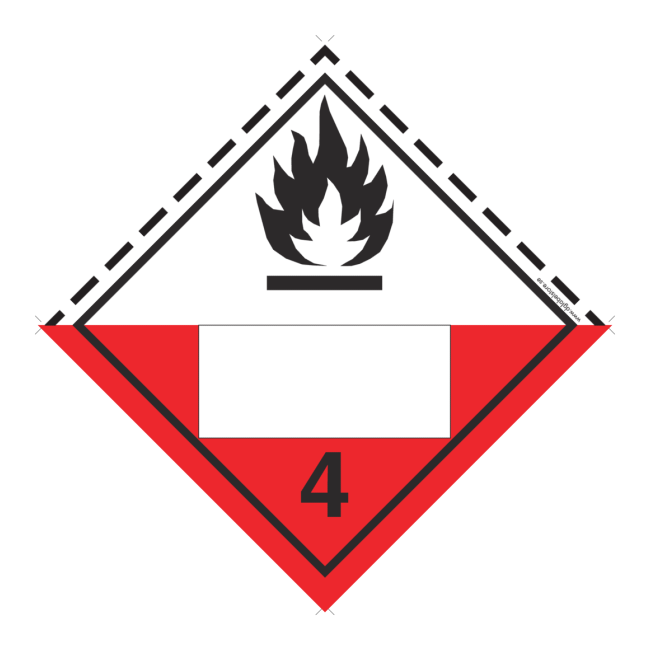
ADR IMDG Class 4.2 mark Spontaneously combustible materials DG
Table 1: Suggested reading based on work activity Note that the WSH Guidelines on Flammable Materials replaces the Technical Advisory for Flammable Hazardous Substances earlier published by the WSH Council in September 2008. 1.2 Legislation on Flammable Materials In Singapore, flammable materials are regulated or licensed by different authorities:

The Importance of Using Materials on Exteriors
Combustible materials can ignite or burn, typically producing heat or light. Examples include: 1. Wood. This includes all types of untreated lumber, hardwoods, softwoods, plywood, and chipboard. Wood is organic, carbon-rich material that catches fire easily when exposed to a heat source.

SPONTANEOUSLY COMBUSTIBLE Label, Worded, PVCFF, Roll of 500, HMSL210
Summary. The use of combustible materials on high-rise buildings has been under review by the government since the Grenfell Fire tragedy. The government has now announced further changes to the use of combustible materials following consultation:. A ban on the use of combustible materials on the external walls for new hotels, hostels and boarding houses in England over 18 metres.

PPT uWaterloo Ontario Fire Code Requirements Assembly Buildings
laboratory use in section 4.9.9. Updated section 4.28 referring to the old work order systems and/or contractor organizations. Added Fire Dept. recommendations for storage of small propane cylinders; added requirement for durable and substantial non-combustible chain or strap to secure cylinders for storage (4.9.9 - 4.9.12).

Building material Aluminum Composite Panel
Safe practices for storage of combustible materials in construction. 5. Improper use and storage of combustible materials without the necessary fire prevention measures may result in fire. This would then lead to injuries, property damage or even loss of lives. Some prevention measures can include, but are not limited to:
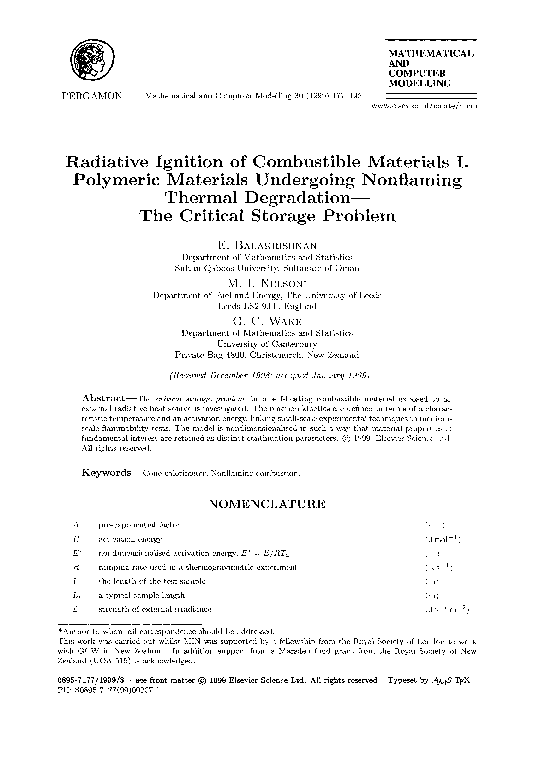
(PDF) Radiative ignition of combustible materials I. Polymeric
Combustible Material. Defining combustible materials is done so by process of elimination. If the materials don't meet the definition of limited-combustible or noncombustible then it is a combustible material. A common example of a combustible material is untreated wood. Ensuring a building remains structurally sound and that materials react.
Learn English Words COMBUSTIBLE Meaning, Vocabulary with Pictures
Combustible debris, rubbish and waste material shall be removed from buildings at the end of each shift of work. 3304.2.3 Rubbish Containers Where rubbish containers with a capacity exceeding 5.33 cubic feet (40 gallons) (0.15 m 3 ) are used for temporary storage of combustible debris, rubbish and waste material, they shall have tight-fitting.

Classification of materials to combustible Download Scientific Diagram
Combustible materials are solids or liquids that can easily ignite and burn. If a combustible material is exposed to fire or heat, it is likely to ignite, burn or release flammable vapours. To understand what combustible materials are, you first need to understand combustion. Combustion is a chemical reaction that produces both heat and light.

Combustible Meaning YouTube
Materials stored outdoors. Combustible materials installed in open yard storage areas shall be piled with due regard to the stability of piles and in no case higher than 20 feet. Method of piling shall be solid wherever possible and in orderly and regular piles. No combustible material shall be stored outdoors within 10 feet of a building or.

SEM micrograph of felted combustible material Download Scientific Diagram
An oxidizer that causes a severe increase in the burning rate of combustible materials with which it comes in contact. Class 2. An oxidizer that will cause a moderate increase in the burning rate of combustible materials with which it comes in contact. Class 1. An oxidizer that does not moderately increase the burning rate of combustible materials.

Storage Of Combustible Materials Prohibited Statutory Sign New Signs
This book describes the Conference on Fire and Smoke-Resistant Materials held at the National Academy of Sciences on November 8-10, 1994. The purpose of this conference was to identify trends in aircraft fire safety and promising research directions for the Federal Aviation Administration's program in smoke and fire resistant materials.