trendssoul by özlem (yan) devrim Organ transplant rejection may not be
The decision to use your organs is based on the health of your organs, not age. Let the health care team decide at the time of your death whether your organs and tissues can be transplanted. Myth: I'm not in the best health. Nobody wants my organs or tissues. Fact: Very few medical conditions keep you from donating organs. Maybe you can't.

Transplantable Organs, Illustration Photograph by Gwen Shockey
For more information about becoming a living donor, you can contact the Yale New Haven Transplantation Center at 866-925-3897. In living organ donation, a living person donates an organ, which is then transplanted into someone who needs it. Learn more about this procedure.

Organ Transplant Saving a Life No Sups YouTube
Organ Transplant Waiting Times, Policies, Procedures. The average wait time for an organ transplant varies by organ, age, blood type, and other factors. For instance, waiting times can reach seven.

THC can prevent rejection of transplanted organs. We explain how.
You have the potential to help save lives as a donor. You can start by signing up through your state's registry. A surgeon moves a donated organ to someone whose organ failed. This is an organ transplant. Certain diseases can lead to organ failure. So can injury or birth defects.
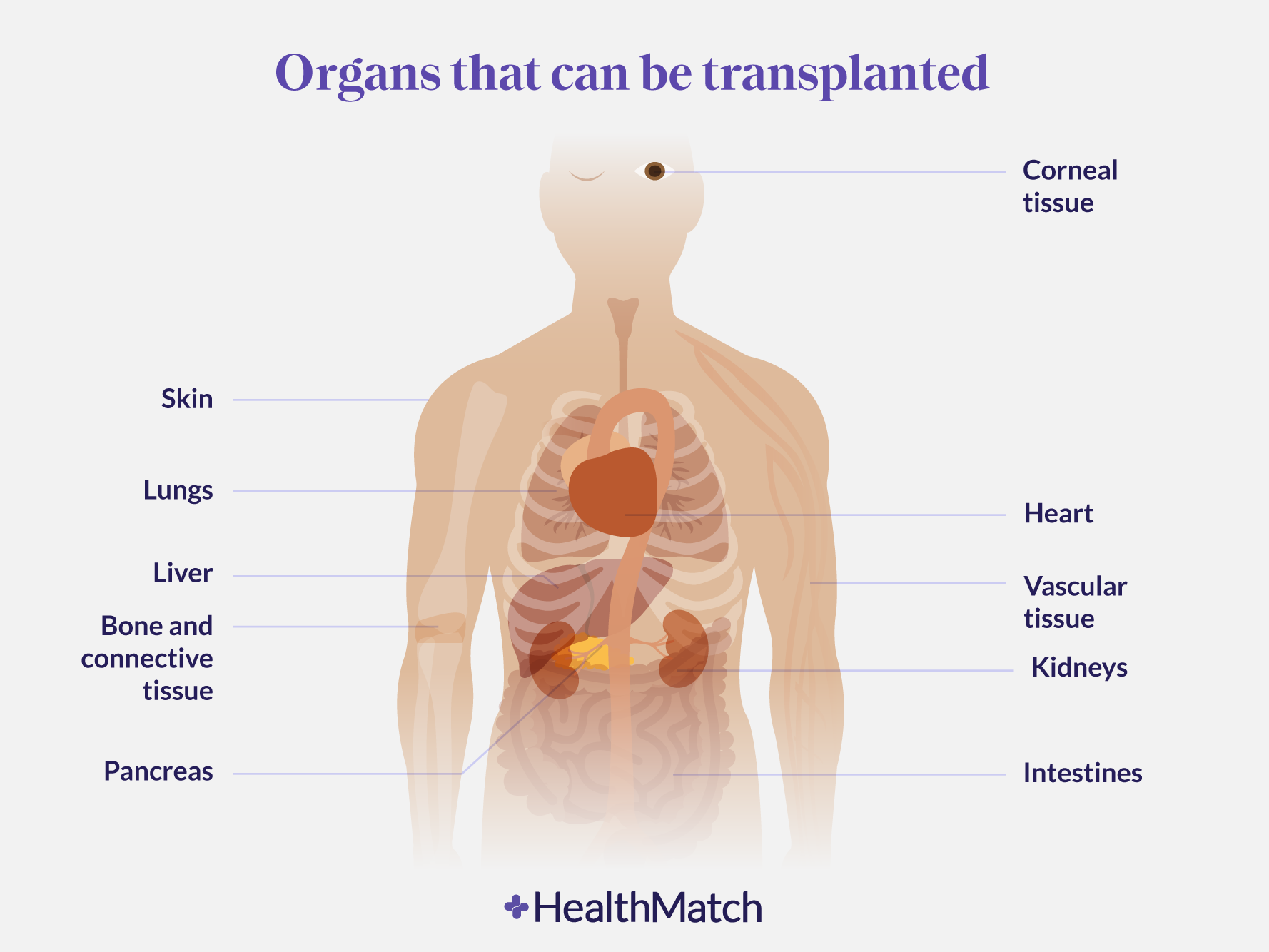
HealthMatch 3DPrinted Organs Are The Future Of Transplantation
Keep in mind that children need organ transplants, and they usually need organs smaller than those an adult can provide. Myth: An open-casket funeral isn't an option for people who have donated organs or tissues. Fact: Organ and tissue donation doesn't interfere with having an open-casket funeral. The donor's body is clothed for burial and.

Organ Transplant Med Treatment India
Key Facts. In the United States, the most commonly transplanted organs are the kidney, liver, heart, lungs, pancreas and intestines. On any given day there are around 100,000 people on the active waiting list for organs, but only approximately 14,000 deceased organ donors in 2021, with each providing on average 3.5 organs. Living donors provide.

The Science Behind Transplanted Organ Rejection
The organs that can be donated include the heart, intestines, kidneys, liver, lungs and the pancreas. Heart: As the hardest-working muscle in the body, the heart beats 60-80 times every minute and is responsible for pumping blood to every area. Conditions that make a heart transplant necessary are cardiomyopathy, heart failure, myocarditis and.

Find Your Tutor Today
Undergoing an organ transplant can lengthen a person's life and allow those with a chronic illness to live a normal lifespan. Many people need an organ transplant due to a genetic condition such.

Can Transplanted Organs be Donated Again? Donate Life WY
Transplantation of human cells, tissues and organs. Transplantation of human cells, tissues or organs saves many lives and restores essential functions where no alternatives of comparable effectiveness exist. In 50 years, transplantation has become a successful worldwide practice. However, there are large differences between countries in access.
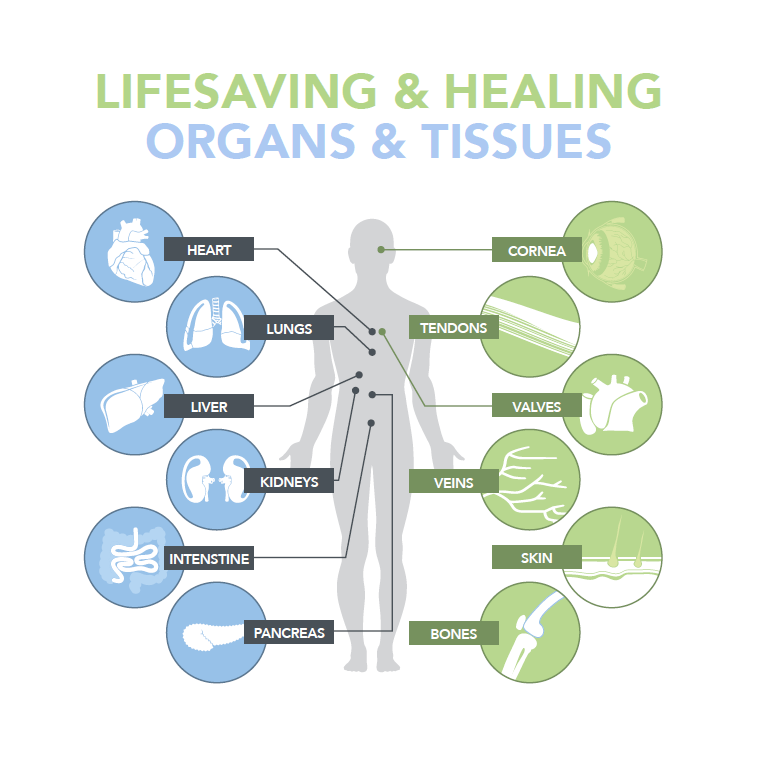
Donor Alliance Preventing organ and tissue rejection Donor Alliance
Organ transplantation is a medical procedure in which an organ is removed from one body and placed in the body of a recipient, to replace a damaged or missing organ. The donor and recipient may be at the same location, or organs may be transported from a donor site to another location. Organs and/or tissues that are transplanted within the same person's body are called autografts.
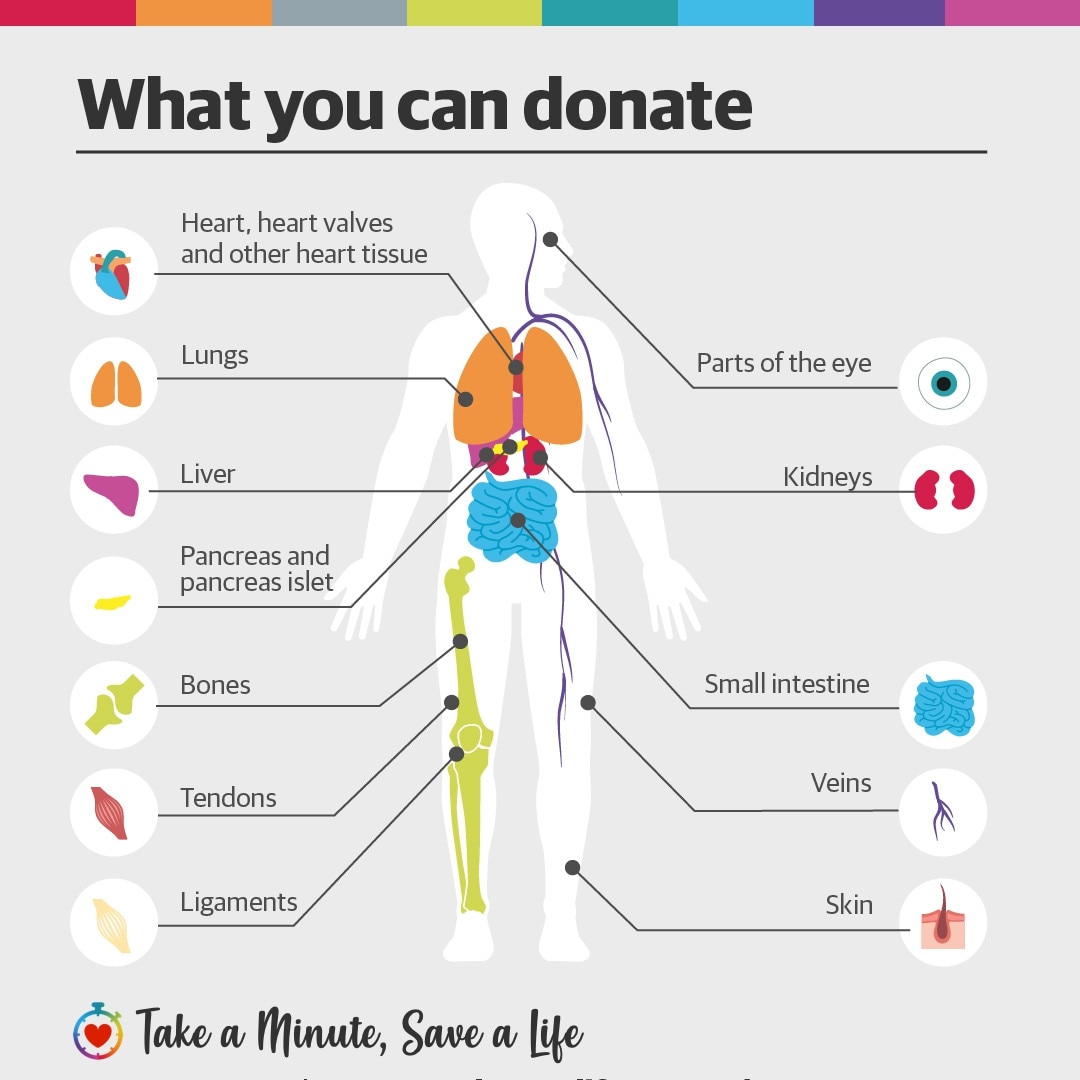
Organ donation in Australia Why we support DonateLife Week Daily
Learn more about Transplant Tourism. Liver and kidney disease kills over 96,000 each year, more people than breast cancer and prostate cancer combined. 1 in 7 or 37 million Americans have kidney disease - and most don't even know it. Organ disease is a massive public health issue, and organ transplantation can be a lifesaving treatment option.
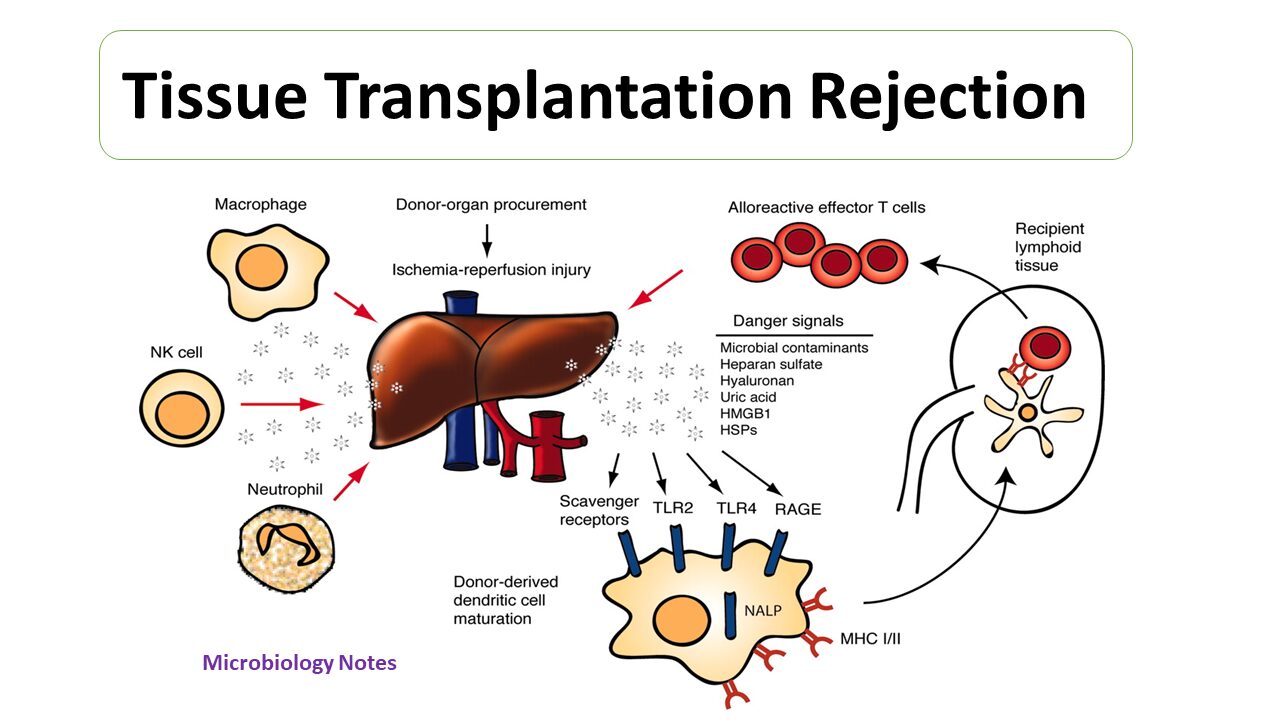
Tissue Transplantation Rejection Microbiology Notes
Rationales for a single donor providing all organs for a multiorgan transplant include facilitating logistics and ensuring the greatest chance of a positive outcome, says Dr. Aqel. "If someone has multiorgan failure, you can't transplant one organ to that recipient," says Dr. Aqel. "The transplant would have a high failure risk.
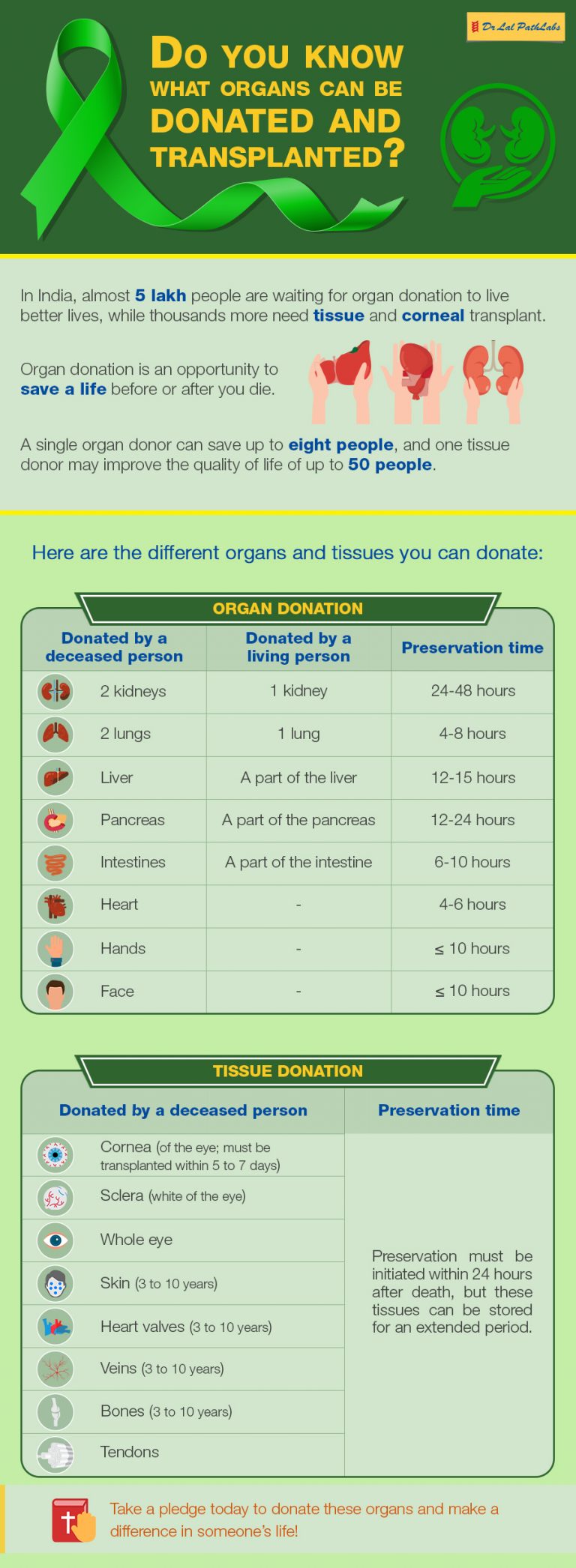
Do You Know What Organs Can Be Donated And Transplanted?
Summary. You may need an organ transplant if one of your organs has failed. This can happen because of illness or injury. When you have an organ transplant, doctors remove an organ from another person and place it in your body. The organ may come from a living donor or a donor who has died. The organs that can be transplanted include: You often.
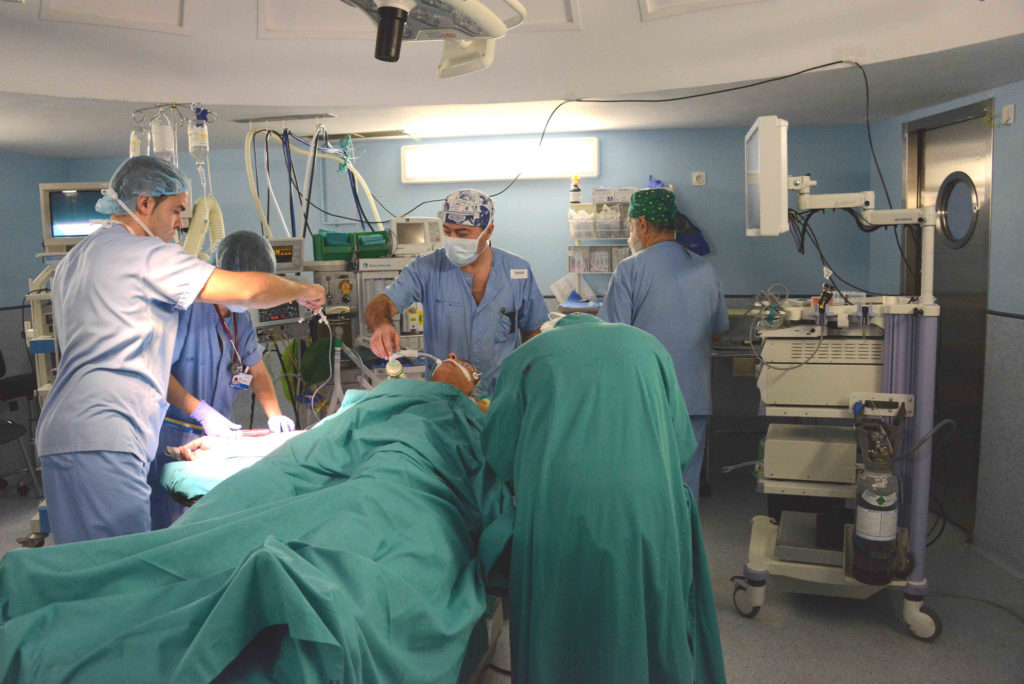
THC can prevent rejection of transplanted organs. We explain how.
Organ transplant. Organ donation and transplantation involve thousands of clinicians, professionals and volunteers, collaborating to make the best use of a limited supply of organs. The number of transplants performed in the United States has increased annually with more than 46,000 organ transplants performed in the U.S. in 2023.

What does the first successful test of a pigtohuman kidney transplant
Vein transplants can serve as a conduit for nerve regeneration. If you have an immediate need, you can call (215) 557-8090. Just 1 organ donor can save up to 8 lives and 1 tissue donor can enhance the lives of more than 75 others. Learn about the power of one.
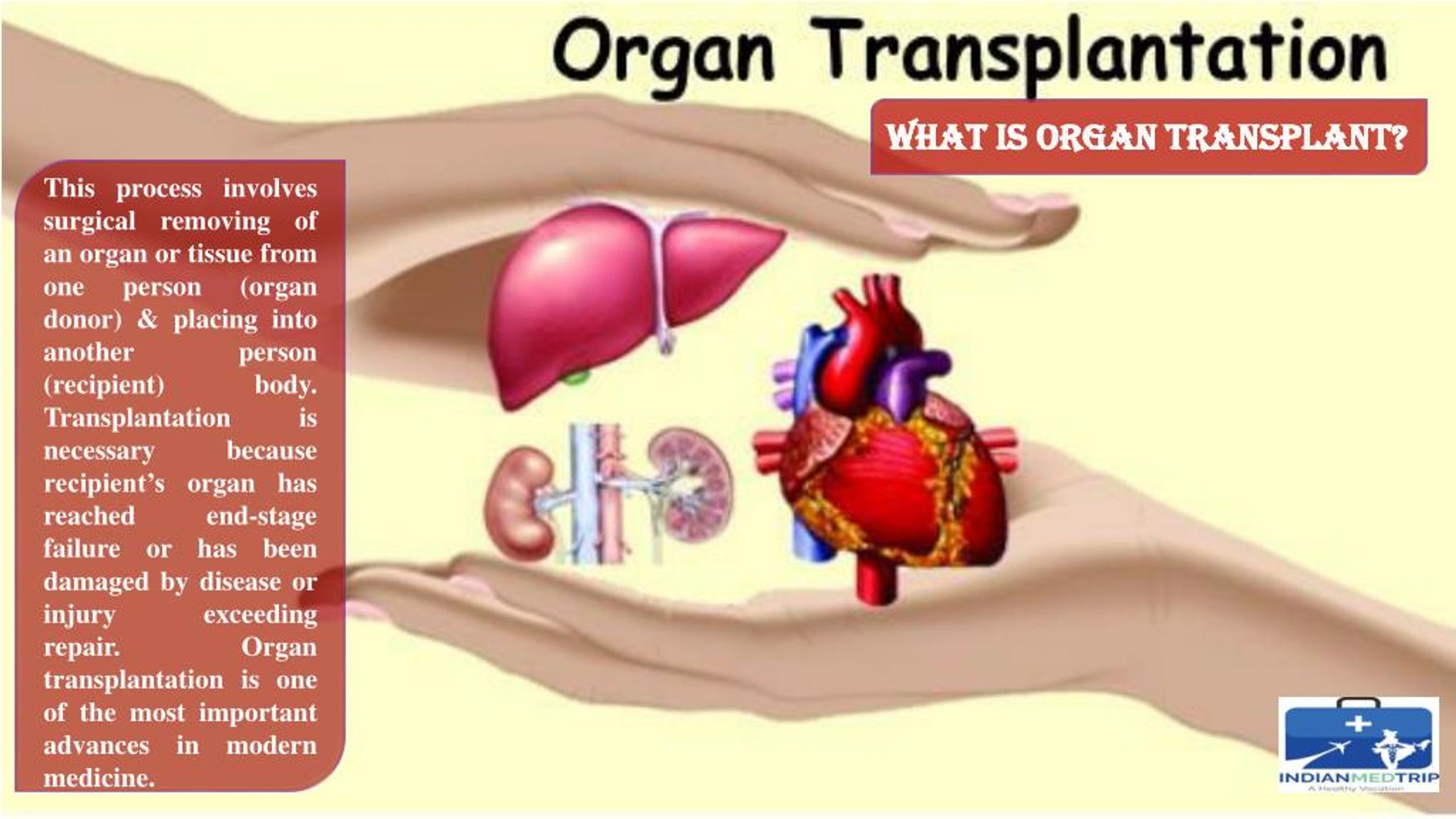
PPT What is Organ Transplant PowerPoint Presentation, free download
Organ donation and transplantation allows a deceased or living donor to give life to another. Surgeons remove a healthy organ from a donor who doesn't need it and transfer it to someone else who does. Organs that they can transplant include the liver, kidney, heart, lungs and more. Contents Overview Procedure Details Risks / Benefits Recovery.